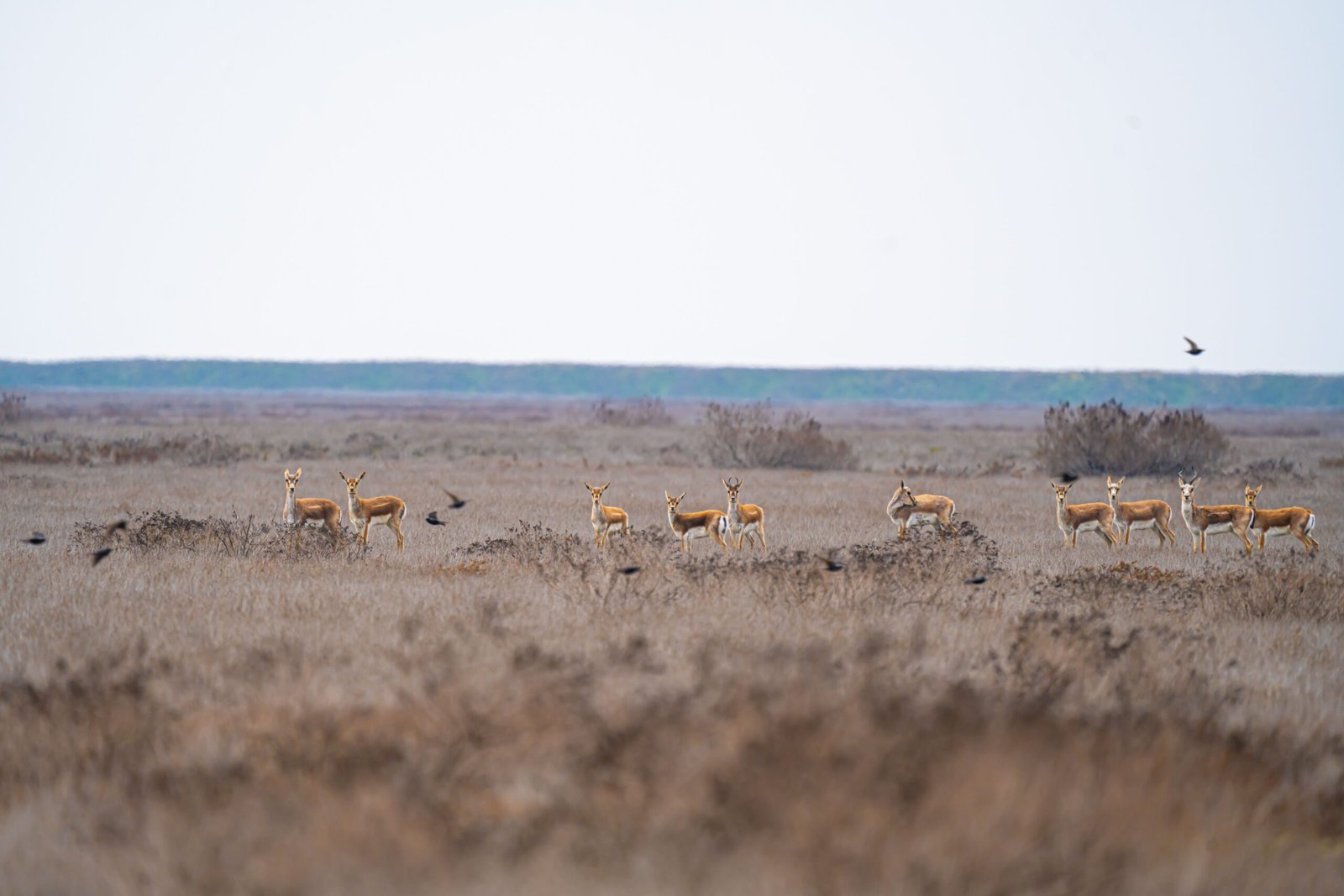
Koshi Tappu Wildlife Reserve: Nepal's Premier Birdwatching Sanctuary
Location and Landscape
Koshi Tappu Wildlife Reserve sits in the far eastern Terai, sprawled across the floodplains of the Sapta Koshi River between the Saptari and Sunsari districts. Covering approximately 175 square kilometers, it is Nepal’s first Ramsar site—a designation recognizing its international importance as a wetland habitat.
The landscape here is unlike the dense jungles of Chitwan or Bardia. Koshi Tappu is a mosaic of tall grasslands, marshy wetlands, and scattered patches of deciduous riverine forest, with the braided channels of the Koshi River creating a dynamic, ever-changing ecosystem. The flat terrain and open vistas make it ideal for wildlife observation, and the nearby Koshi Barrage—a major irrigation structure—has become an unexpected haven for waterbirds.
Wildlife: A Birdwatcher’s Paradise
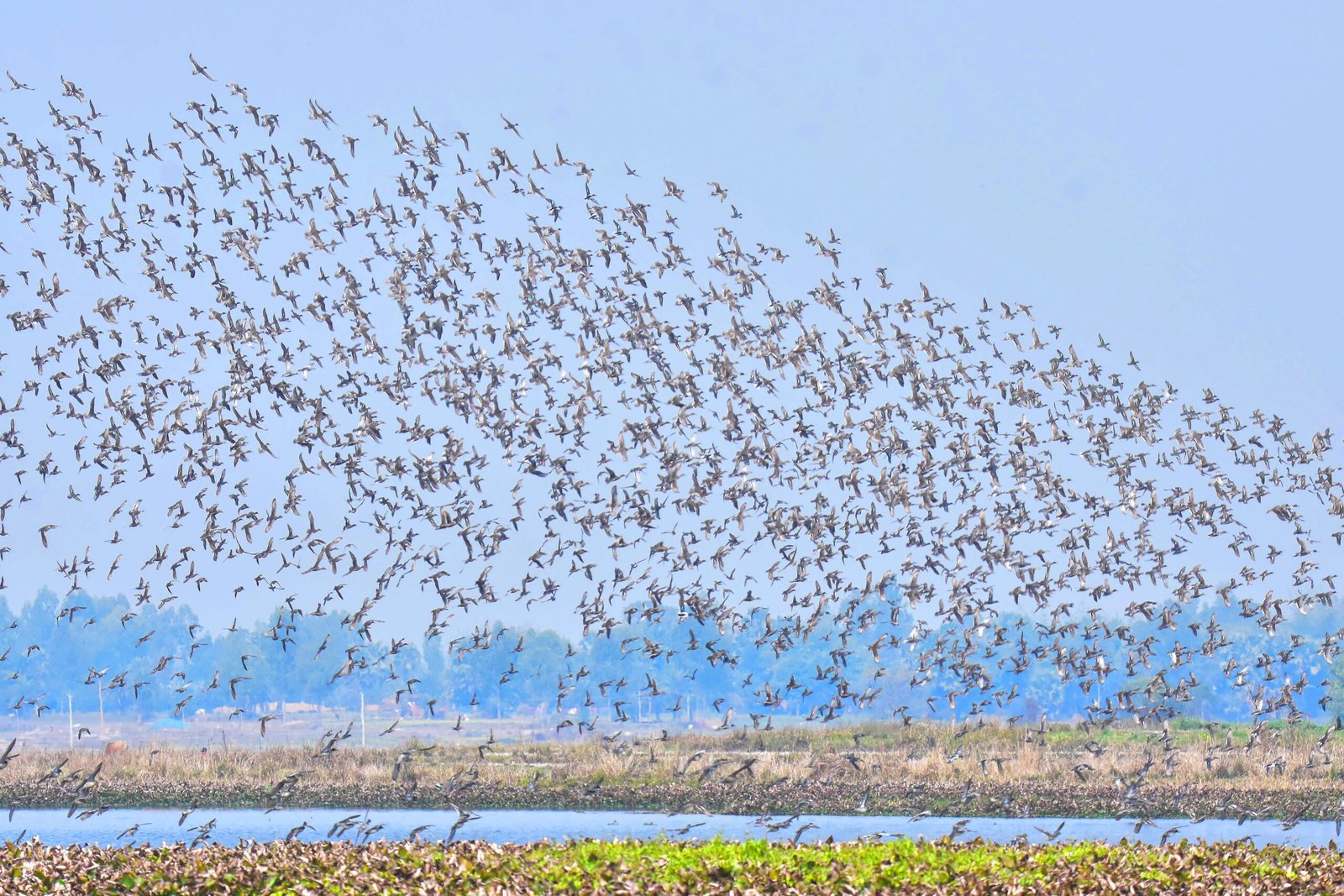
If you’re a birder, Koshi Tappu is nothing short of paradise. The reserve has recorded over 441 species of birds, making it the largest bird sanctuary in Nepal and one of the most significant in Asia. During the winter migration season (November–February), thousands of waterfowl arrive from as far away as Siberia, transforming the wetlands into a cacophony of wings and calls.
Among the standout species are the Swamp Francolin, Bengal Florican, Black-necked Stork, Lesser Adjutant, and the striking Sarus Crane—the world’s tallest flying bird. Migratory ducks like the Baer’s Pochard and Falcated Duck join resident species such as the Comb Duck and Cotton Pygmy Goose. The Koshi Barrage area, in particular, is legendary among birdwatchers for its concentrations of waders and terns.
But Koshi Tappu is not just about birds. The reserve holds Nepal’s last surviving population of wild water buffalo, known locally as arna (Bubalus arnee). These massive, endangered bovines—listed as Endangered on the IUCN Red List—are the park’s flagship mammal. Watching a herd of wild buffalo grazing in the tall floodplain grass is a genuinely humbling experience.
The Koshi River itself is home to the Gangetic dolphin (Platanista gangetica), one of the world’s most endangered freshwater cetaceans. Sightings are not guaranteed, but patience and a boat excursion during the right season can be rewarded with a glimpse of these elusive creatures surfacing for air. The reserve also shelters Asian elephants, hog deer, spotted deer, nilgai (blue bull), smooth-coated otters, fishing cats, and golden jackals. Reptile enthusiasts will appreciate the presence of gharial and mugger crocodiles basking on the riverbanks.
Safari Activities
Koshi Tappu offers a refreshingly low-key approach to wildlife viewing. The main activities include:
Jeep Safari — A classic way to cover the reserve’s grasslands and wetlands, with good chances of spotting wild buffalo, deer, and elephants. Jeep safaris typically last 2.5–3 hours and often include a stop at the Koshi Barrage for birdwatching.
Canoe or Boat Excursion — Drifting quietly along the Koshi River is one of the most peaceful ways to experience the reserve. You’ll have opportunities to spot crocodiles, dolphins, and an array of aquatic birds.
Guided Nature Walks — Exploring on foot with a licensed guide allows you to appreciate the smaller details—bird calls, tracks, and the intricate ecology of the floodplain.
Birdwatching — Early morning and late afternoon are the best times, when bird activity peaks. The reserve’s knowledgeable local naturalists can help you identify the dizzying variety of species.
For a comprehensive experience, a 3–4 day tour is ideal, allowing you to combine jeep safaris, canoe trips, birdwatching walks, and cultural visits to nearby villages.
Best Time to Visit
The optimal window for Koshi Tappu is October to March, when the weather is dry and pleasant, and migratory birds are present in large numbers. November to February is particularly rewarding for birding, as this is peak migration season. The monsoon months (June–September) should be avoided, as heavy rains flood the floodplains and make access difficult. The pre-monsoon months (April–June) are hot, with temperatures often exceeding 35°C, but wildlife viewing can still be productive, especially in the early mornings.
Permits and Practicalities
Entry fees for Koshi Tappu Wildlife Reserve are structured as follows:
- Nepali citizens: NPR 50 per day
- SAARC nationals: NPR 500 per day
- Foreign nationals: NPR 1,000 per day
Some sources indicate that the fee for a 12-hour visit for foreign nationals may be NPR 1,500, so it’s worth confirming current rates with the reserve office or your tour operator.
Getting there: The reserve is accessed via Biratnagar, which is a 50-minute flight from Kathmandu or a long (9–10 hour) drive. From Biratnagar, it’s a 1.5–2 hour drive (approximately 40–50 km) to the reserve headquarters at Kusaha or to the main entry points.