
Aama Yangri: A Thrilling Day Hike to the "Mother Protector" of Helambu
Just a few hours from Kathmandu, a sacred peak awaits with rhododendron forests, yaks, and Himalayan views that will leave you speechless.
It was 6 AM when my friend and I rolled out of Kathmandu on our bikes, the city still shaking off its morning drowsiness. We had one destination in mind: Aama Yangri, a sacred peak nestled in the Sindhupalchok district of Nepal's Helambu region. What followed was an adventure that pushed our limits, rewarded us with breathtaking views, and reminded us why we love the mountains.
The Journey Begins
The ride from Kathmandu to the base camp was an adventure in itself. Aama Yangri sits roughly 75 to 90 kilometers north-east of the Kathmandu Valley, and the roads—well, let's just say they keep you alert. The route takes you through winding mountain roads, past terraced farmlands, and alongside the Melamchi River. We passed through traditional villages where life moves at a slower pace, and the air gradually grew cooler and crisper as we gained altitude.
By 11:50 AM, we had reached the Aama Yangri Base Camp, sitting at an elevation of approximately 3,200 meters. The base camp itself is a modest setup—a few basic accommodations and tea houses where trekkers can rest before the final ascent. We didn't waste much time. The peak was calling, and we had come too far to stop now.
The Ascent: Through Rhododendron Forests and Yak Pastures
From the base camp, the trail climbs steeply toward the summit at 3,771 meters (12,372 feet). The hike typically takes about three hours from the base camp, and let me tell you—it's no walk in the park. The trail is entirely uphill, rocky in places, and demands good stamina.
But oh, the scenery!
The trail winds through dense forests of rhododendron, pine, and oak. In spring, the hills explode with wildflowers—deep reds and pinks of blooming rhododendrons framing the entire path. Even outside peak bloom season, the forest is magical. The rhythmic sounds of chirping birds and rustling leaves create a serene atmosphere that makes the climb feel almost meditative.
Along the way, we encountered yaks grazing in alpine meadows—magnificent creatures that seemed perfectly at home in this rugged landscape. The trail transitions from lush forest to alpine meadows and finally to an exposed ridge as you approach the summit. With each step, the views expand, teasing you with glimpses of what awaits at the top.
The Summit: 360 Degrees of Himalayan Majesty
We reached the top and stayed for about two to three hours—and honestly, we could have stayed forever.
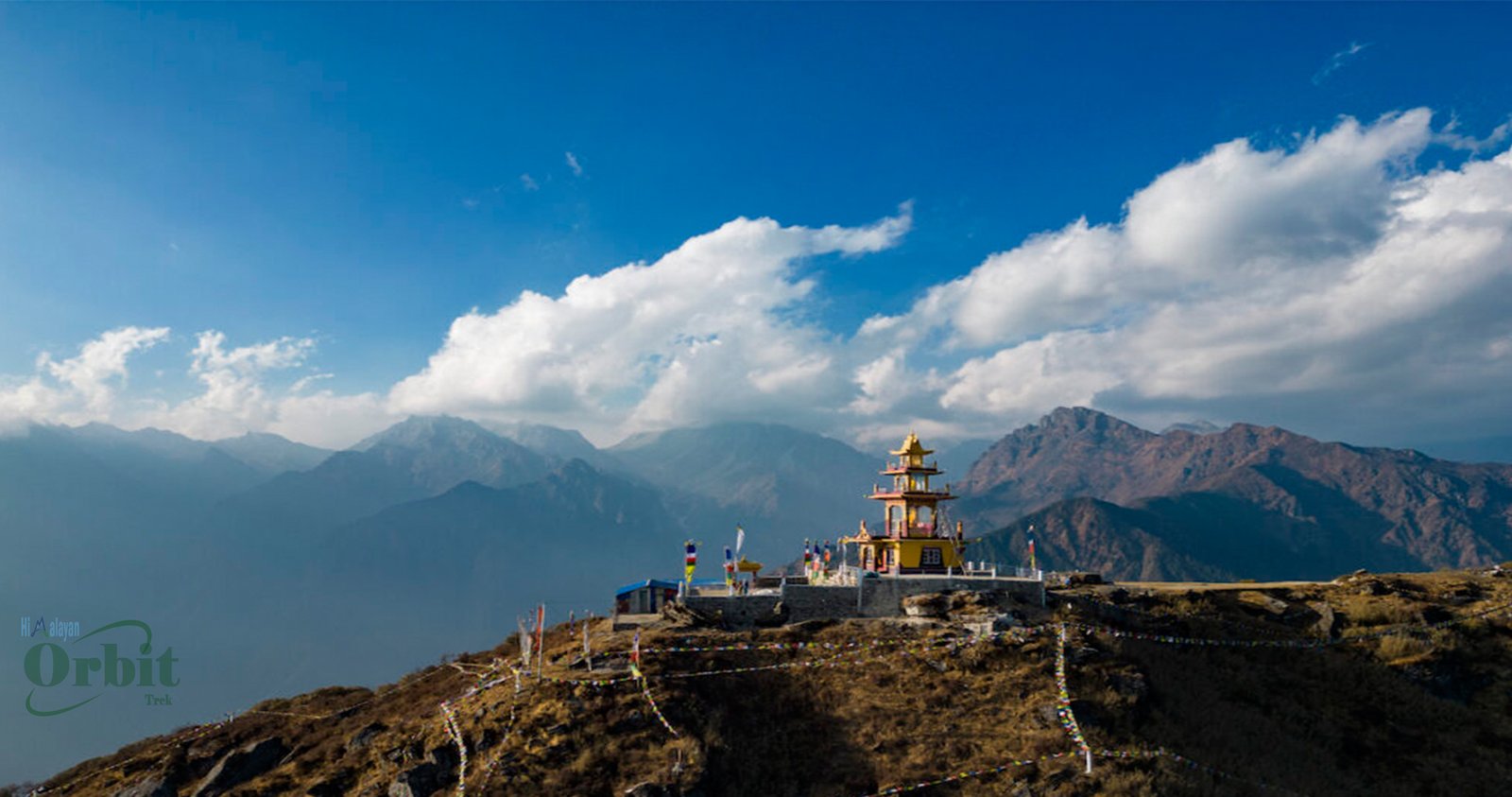
The summit of Aama Yangri offers a 360-degree panorama of the Himalayas that rivals even the most famous viewpoints in Nepal. On a clear day, you can see a staggering array of peaks: the Langtang range, Gaurishankar, Dorje Lakpa, Ganesh Himal, Manaslu, Annapurna, and even Mount Everest itself. The view is often compared to Poon Hill, but with far fewer crowds.
Prayer flags flutter in the wind at the summit, adding a spiritual dimension to the experience. At the top stands a pagoda-style monastery called Ama Yangri Zangdo Palri Gumba, housing statues of Guru Rinpoche (Padmasambhava) and Avalokiteśvara.
The Return
After soaking in the views, saying our silent wishes, and taking more photos than we could count, we began our descent. The walk down took about two hours. We made our way back to the hotel near the base camp, exhausted but exhilarated. The next day, we rode back to Kathmandu, our minds still replaying the images of those snow-capped giants.
Practical Tips for Your Aama Yangri Trek
If you're planning to follow in our tire tracks, here's what you need to know:
Best Time to Visit: Spring (March–May) and autumn (September–November) offer the clearest skies and most comfortable temperatures. Spring brings the rhododendrons into full bloom, while autumn delivers crystal-clear mountain views.
What to Pack:
Sturdy trekking shoes with good grip
Layered clothing (temperatures change quickly at altitude)
Warm jacket for the summit
Plenty of water and energy snacks
Sunscreen, sunglasses, and a hat
A head torch if you're doing a pre-dawn summit
Accommodation: There are limited hotels at the base camp, so booking in advance is recommended. Most trekkers stay overnight in Tarkeghyang village (2,560 meters), a beautiful traditional Yolmo village with ancient stupas, prayer wheels, and stone-paved alleys.
Getting There: From Kathmandu, you can take a bus from Chabahil to Melamchi Bazaar (4-5 hours), then another local bus to Tarkeghyang. Only one bus per day runs the Melamchi-Tarkeghyang route, so plan accordingly. Alternatively, you can rent a jeep or bike.
Difficulty: The trek is considered moderate. The summit day is steep and challenging, but anyone with reasonable fitness can complete it.