
Shuklaphanta National Park: Nepal's Grassland Wilderness
Shuklaphanta National Park: An Overview
Shuklaphanta National Park holds a special place in Nepal's protected area network. It began as a hunting reserve in 1969. In 2017, it was upgraded to national park status. Today, it is Nepal's youngest national park — and many say its most pristine.
The park sits in the far-western Terai of Kanchanpur District, near the Indian border. It covers 305 square kilometers of open grasslands, sal forests, and wetlands.
Location and Landscape
What makes Shuklaphanta National Park unique is its grassland. The park is home to Shuklaphanta — the largest and most spectacular grassland of its kind in Asia. This vast, flat expanse of tall tussock grass stretches to the horizon.
What makes Shuklaphanta National Park unique is its grassland. The park is home to Shuklaphanta — the largest and most spectacular grassland of its kind in Asia. This vast, flat expanse of tall tussock grass stretches to the horizon.
At dawn, mist clings to the grass. The sun rises over the plains. It feels less like Nepal and more like an African savanna. This is where most wildlife sightings happen. It is also where photographers and birders linger longest.
The park also contains several wetlands and oxbow lakes. These include Rani Tal, Baba Tal, and Shuklaphanta Tal. They attract waterbirds and provide critical habitat for the park's flagship herbivore — the swamp deer.
Safari Activities
Shuklaphanta National Park offers a range of safari experiences. Jeep safaris are the most popular and practical way to explore the park's vast grasslands and forests.
Jeep Safari — The designated safari route stretches from Majhagaun to Punamajhagaun via Barkaula, Shuklaphanta, Singhapur, Ranital, and Babatal. It offers excellent opportunities to spot swamp deer, tigers, elephants, and many bird species. Morning safaris start around 7:30 AM. They are particularly rewarding, as wildlife is most active in the cooler hours.
Elephant Safari — Elephant-back safaris were historically offered. However, they are increasingly being phased out in favor of more ethical alternatives. Some operators still offer them. We recommend choosing jeep safaris or walking safaris to prioritize animal welfare.
Birdwatching — The park's wetlands and grasslands are a birdwatcher's dream. The Rani Tal area is especially good for spotting waterfowl, storks, and cranes.
Nature Walks and Observation Towers — Several observation towers are placed around the park. They offer panoramic views over the grasslands and wetlands. Guided nature walks are also available in certain zones.
Cultural Visits — The park is surrounded by Tharu villages. Many tours include visits to experience traditional Tharu culture, including stick dances and local cuisine.
A 4-day package is ideal for fully exploring the park. It allows time for multiple safaris and cultural experiences.
Wildlife: The Realm of the Swamp Deer
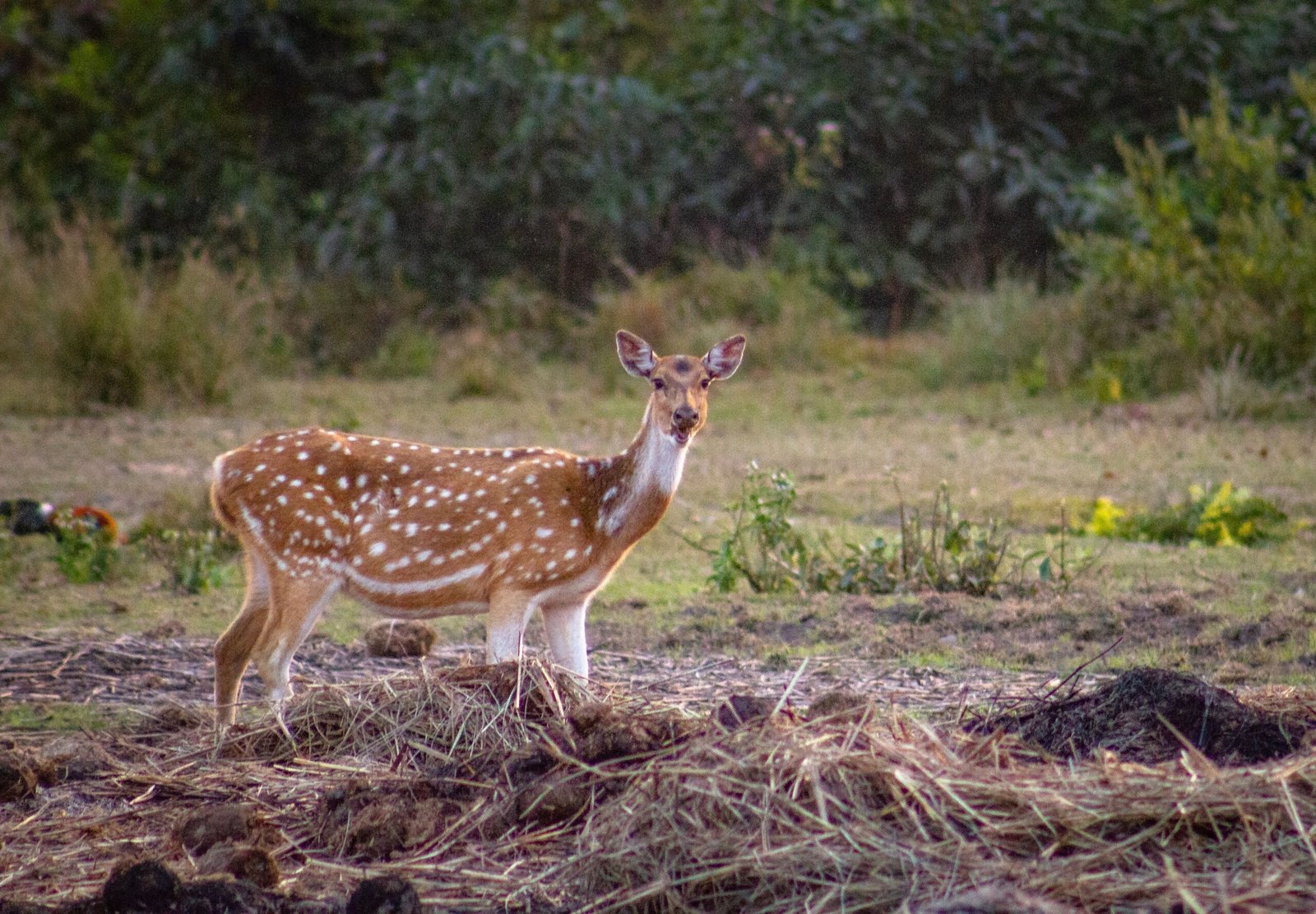
Shuklaphanta's most iconic resident is the swamp deer, known locally as barasingha (Rucervus duvaucelii). The park protects the world's largest herd of swamp deer. As of the latest census, the population exceeds 2,000 individuals.
Picture hundreds of these magnificent deer grazing across the open grassland. The males sport impressive multi-tined antlers. It is one of Nepal's great wildlife spectacles. Conservation efforts have been so successful that the deer have begun expanding beyond the park's core grassland areas.
The park's tiger population is equally impressive. A 2024 census recorded 44 Royal Bengal tigers within the park. This is a testament to the health of its prey base and habitat. Tiger sightings are never guaranteed. Still, Shuklaphanta offers some of the best chances in Nepal outside of Bardia.
Other mammals include Asian elephants, one-horned rhinoceroses, leopards, nilgai (blue bull), hog deer, barking deer, wild boar, langurs, and rhesus monkeys. The park's wetlands support marsh mugger crocodiles. The grasslands are home to hispid hares and Bengal monitor lizards.
For birdwatchers, Shuklaphanta is a treasure trove. The park has recorded over 449 species of birds. These include the Sarus Crane, Swamp Francolin, Grass Owl, and Bengal Florican. The grasslands are especially important for the Bengal Florican. This critically endangered bustard species depends on tall grassland habitats.
Best Time to Visit
The best time to visit Shuklaphanta National Park is during the dry season, from October to April. The weather is pleasant. The grass is shorter, making wildlife easier to spot. The park's wetlands also attract large numbers of migratory birds.
November to February is particularly good for birdwatching. March to April offers excellent tiger sightings. During these months, animals congregate around remaining water sources.
The pre-monsoon months (March–June) can be hot and humid. However, wildlife sightings are often at their peak during this period. The monsoon (June–September) brings heavy rains and waterlogged tracks. Access is limited, so it is best avoided.
Permits and Practicalities
Entry fees for Shuklaphanta National Park are:
Nepali citizens: NPR 50 per day
SAARC nationals: NPR 500 per day
Foreign nationals: NPR 1,000 per day
Visitors must enter the park before 3 PM and exit before sunset. A licensed guide is mandatory for all safari activities.
Getting there: The nearest airport is Dhangadhi. It is a 1-hour 10-minute flight from Kathmandu. From Dhangadhi, it is a 1.5-hour drive (approximately 60 km) to the park headquarters at Majhgaon. Alternatively, you can drive from Kathmandu (670 km). This takes around 12–14 hours.