
From Kathmandu to Chitwan: A Safari into the Heart of the Jungle
Getting There: The Route from Kathmandu
The distance from Kathmandu to Chitwan is only about 160 kilometers, but the winding roads mean the journey takes significantly longer than the map suggests. You have two main options:
Either way, your final destination is Sauraha, the small tourist village on the edge of the park that serves as the base for nearly every safari adventure.
The Chitwan National Park Safari: Your Jungle Adventure
Established in 1973 as Nepal's first national park and a UNESCO World Heritage Site since 1984, Chitwan is a 952-square-kilometer expanse of Sal forests, tall grasslands, and riverine ecosystems. The safari experience here is multifaceted, allowing you to explore this incredible biodiversity from different perspectives.
The Elephant Safari: Tradition, Controversy, and a Changing Landscape
For decades, the elephant safari was the signature attraction of Chitwan. Tourists would mount these gentle giants to traverse grasslands and forests, spotting rhinos, deer, and wild boars from a elevated vantage point. The experience of swaying through the jungle on elephant-back is undeniably memorable, offering a unique perspective on the park's wildlife and landscapes.
However, the elephant safari in Chitwan is at a critical crossroads. A landmark Supreme Court ruling issued on December 17, 2025, has called for alternatives to elephant safaris, citing animal welfare concerns. The 62-point order explicitly states that allowing tourists to ride elephants "must be reconsidered from an animal welfare perspective," while also acknowledging the economic role these safaris play in generating income and employment in Sauraha.
The ethical concerns surrounding elephant safaris are significant. Animal rights advocates have documented cruel training methods, including chaining, physical punishment, and the separation of calves from their mothers. Videos from the Chitwan Elephant Festival have shown elephants with visible cuts, stressed calves, and handlers beating elephants during "games". As a result, the momentum has clearly shifted. Some resorts and operators have completely stopped selling elephant rides, while others quietly continue to offer them. Many now promote alternatives such as jeep safaris, walking safaris, canoeing, and birdwatching
The Current Reality: Elephant safaris are already prohibited inside the core area of Chitwan National Park throughout the year. Any elephant riding that still occurs takes place in the buffer zone forests and community forests around Sauraha, not within the national park itself. If you do choose to ride an elephant, it is essential to research the operator thoroughly, ask about their welfare practices, and be aware that you are participating in an activity that is increasingly viewed as ethically problematic.
Jeep Safari
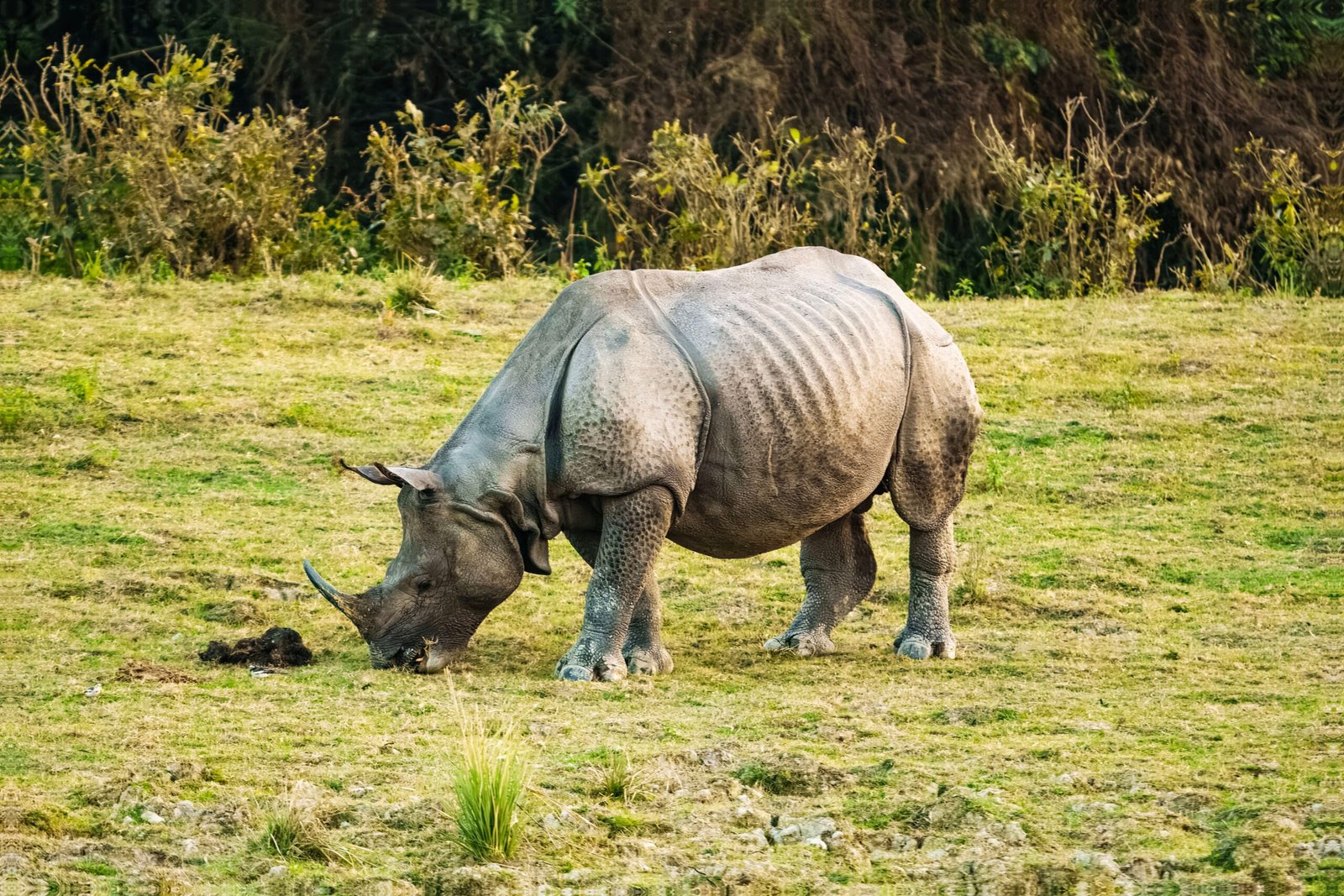
A jeep safari is the best way to cover a lot of ground and penetrate deep into the park. You'll rumble through the jungle, giving yourself the best chance to spot the park's "big three": the greater one-horned rhinoceros, the Bengal tiger, and the gharial crocodile. Chitwan is home to over 700 rhinos, and sightings on a jeep safari are near-certain, often seeing multiple rhinos grazing in the open grasslands in a single outing. While tigers are more elusive, Chitwan has one of the healthier populations in Nepal, and a jeep allows you to cover more territory in search of this magnificent cat. Jeep safaris operate from Sauraha, Kasara, Meghauli, and Amaltari, with each jeep accommodating up to 10 passengers. Note that jeep safaris inside the park are suspended annually during the monsoon season (roughly late June to mid-October) due to safety concerns, though safaris in buffer zone forests continue.
Canoe Ride
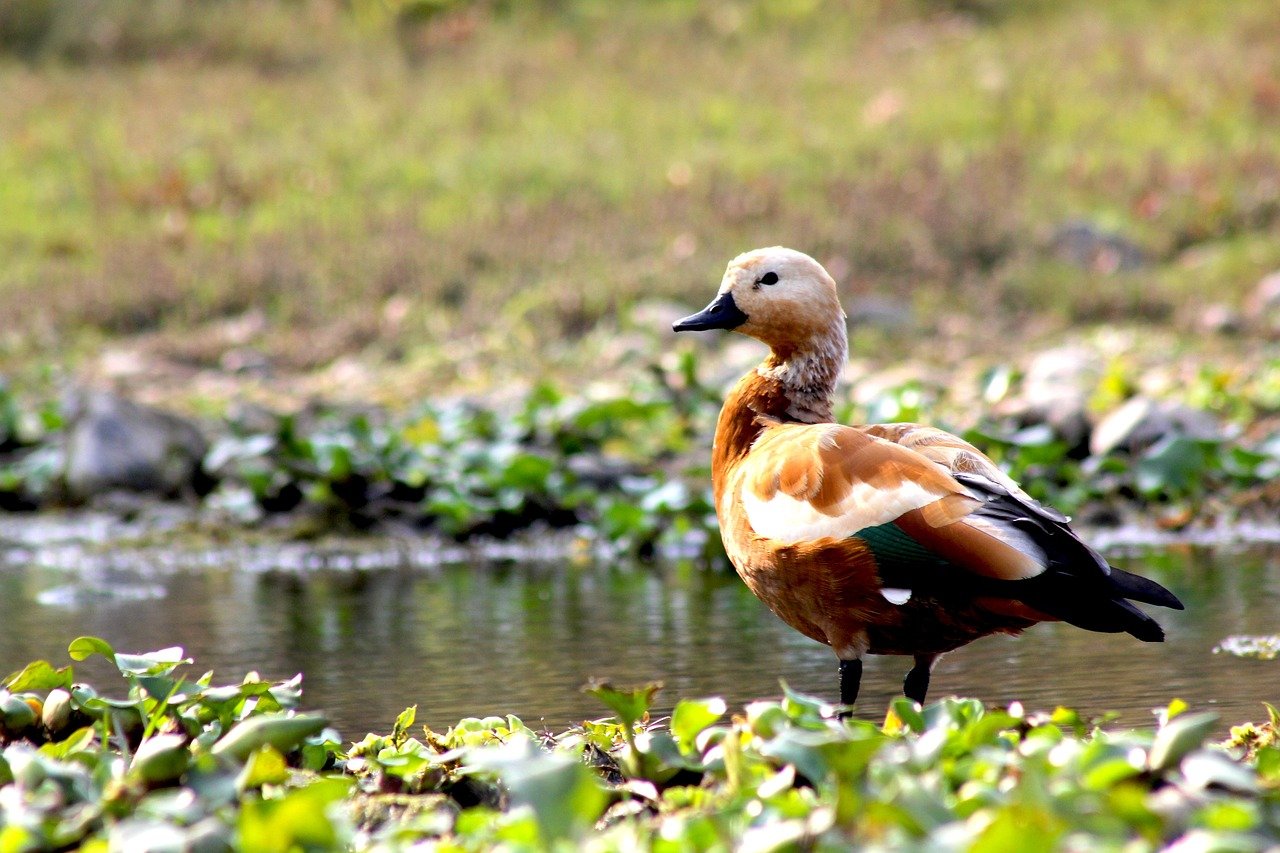
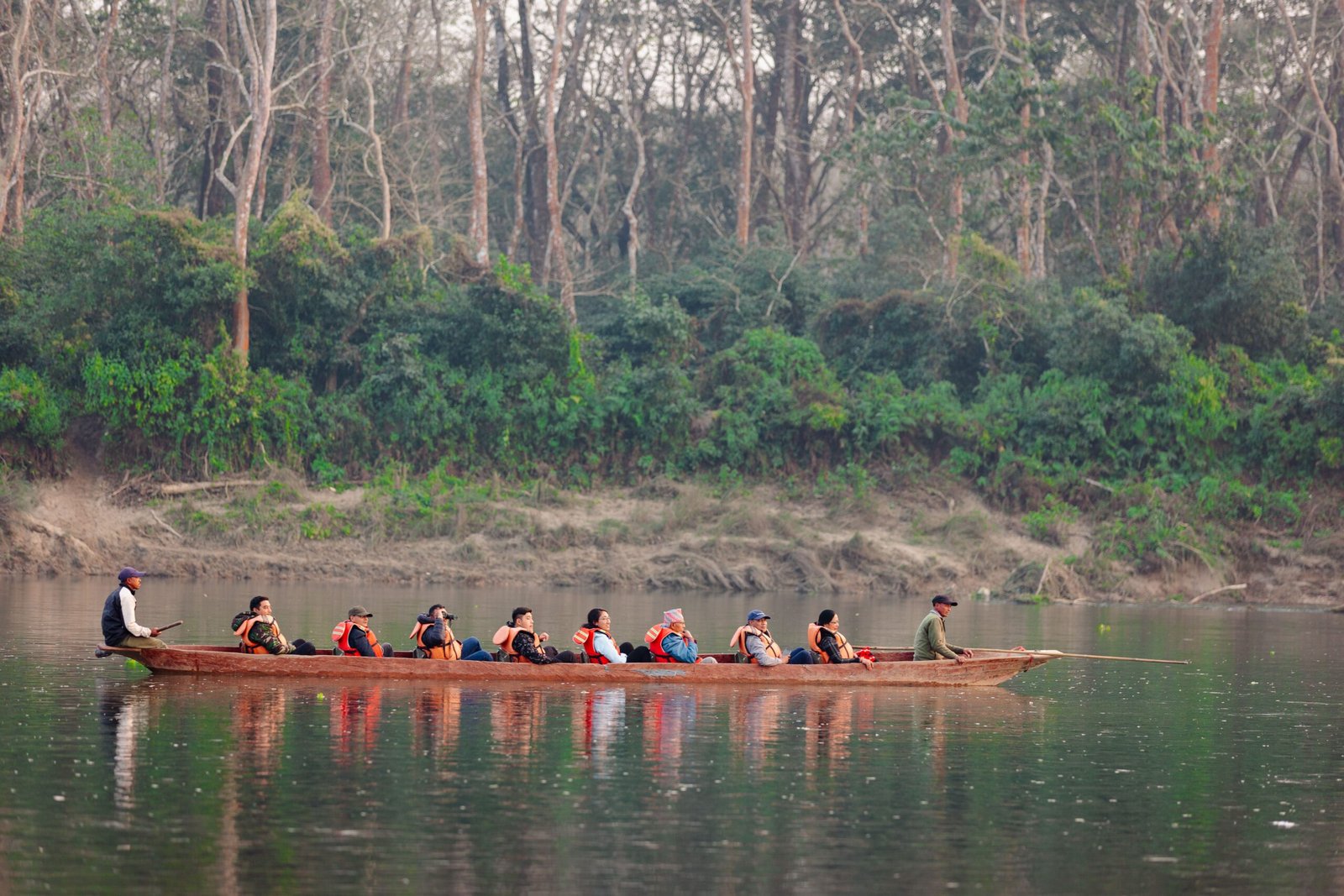
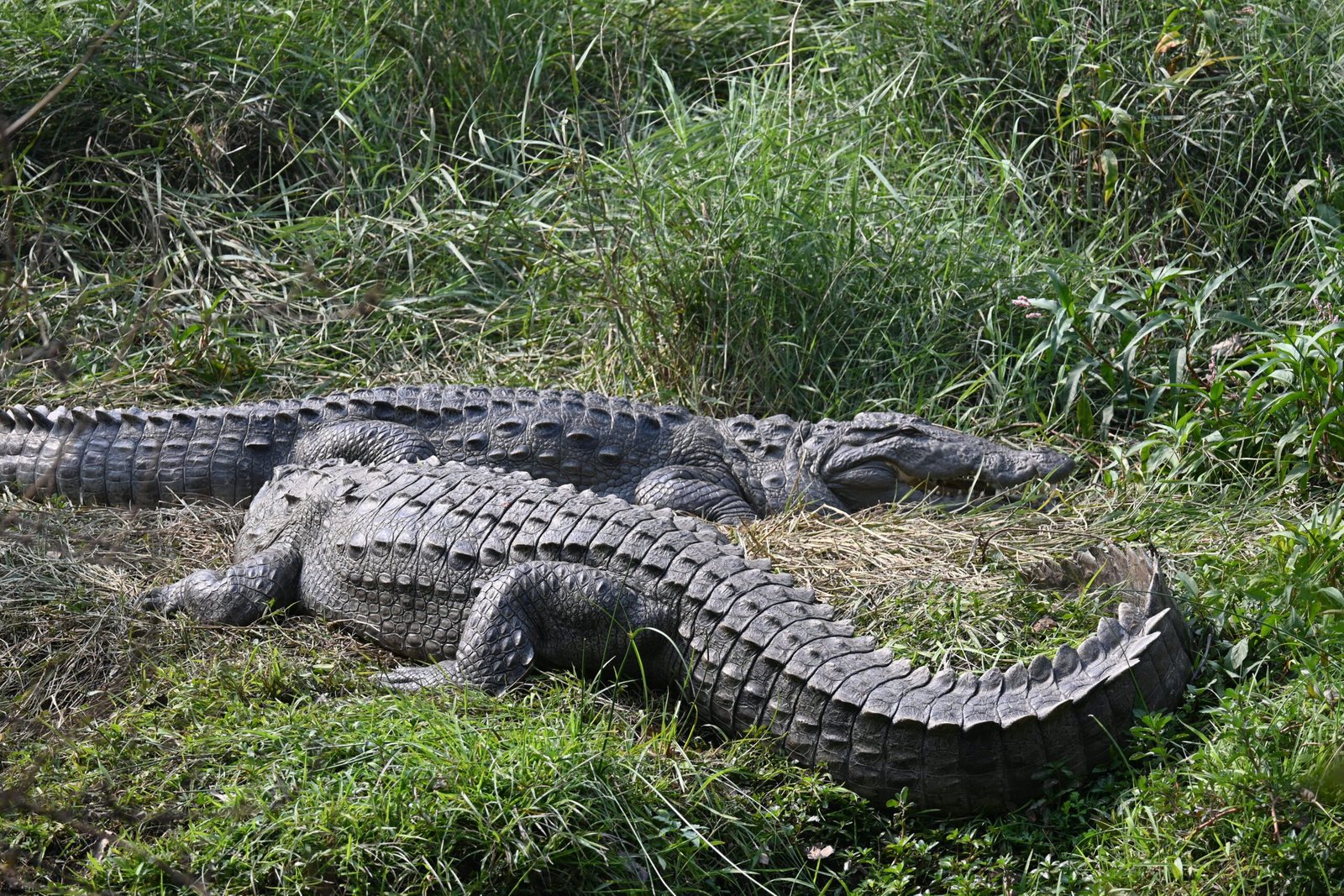
For a serene and intimate experience with the park's aquatic life, a canoe ride along the Rapti River is a must. Gliding silently in a traditional dugout canoe, you can get surprisingly close to wildlife. Keep your eyes peeled for two species of crocodiles—the fish-eating gharial and the mugger crocodile—basking on the banks, along with a stunning array of aquatic birds, including four species of kingfisher, fish eagles, ducks, egrets, and wagtails. Sometimes, rhinoceroses, deer, or even a tiger can be seen coming to drink water or crossing the river.
Beyond the Park: The Narayani River and 20 Hajaari Lake
While the core of the park is the main attraction, two nearby sites are well worth adding to your itinerary.
The Narayani River
The Narayani is one of the three major rivers that form the park's boundaries and is Nepal's third-largest river. It's a critical habitat for endangered aquatic species. A recent survey by Chitwan National Park recorded 366 gharials in the Rapti and Narayani rivers, with 135 in the Narayani alone. Officials also reported the sighting of a rare Ganges river dolphin in the Golaghat area of the Narayani during the count, calling it "a positive indicator of biodiversity". The river also provides critical habitat for several globally threatened softshell turtles, including the Indian Narrow-headed Softshell Turtle, Indian Peacock Softshell Turtle, Indian Softshell Turtle, and Indian Flapshell Turtle. The confluence of the Rapti and Narayani rivers is a particularly good spot for wildlife watching, and during sunset, you may spot rhinos and deer approaching the river for a drink while flocks of egrets and kingfishers return to their nests
20 Hajaari Lake (Bishazari Tal)
The name "Bishazari Tal" (or 20 Hajaari Lake) literally translates to "20,000 lakes" in Nepali. This extensive oxbow lake system, located in the buffer zone of the national park, is a Ramsar Site and a birdwatcher's paradise. Over 160 bird species have been recorded here, including the endangered Bengal Florican and Sarus Crane, as well as the white-rumped vulture, Pallas's fish-eagle, lesser adjutant, and ferruginous duck during the migratory season. The wetland also supports other wildlife such as deer, crocodiles, and fish, and plays a vital role in filtering water and preventing soil erosion. You can explore this serene wetland by bicycle or on a guided tour. The best time to visit is during the winter months (October to February), when migratory birds flock to the area, and early mornings and evenings offer the best chance to witness the wetland's enchanting beauty